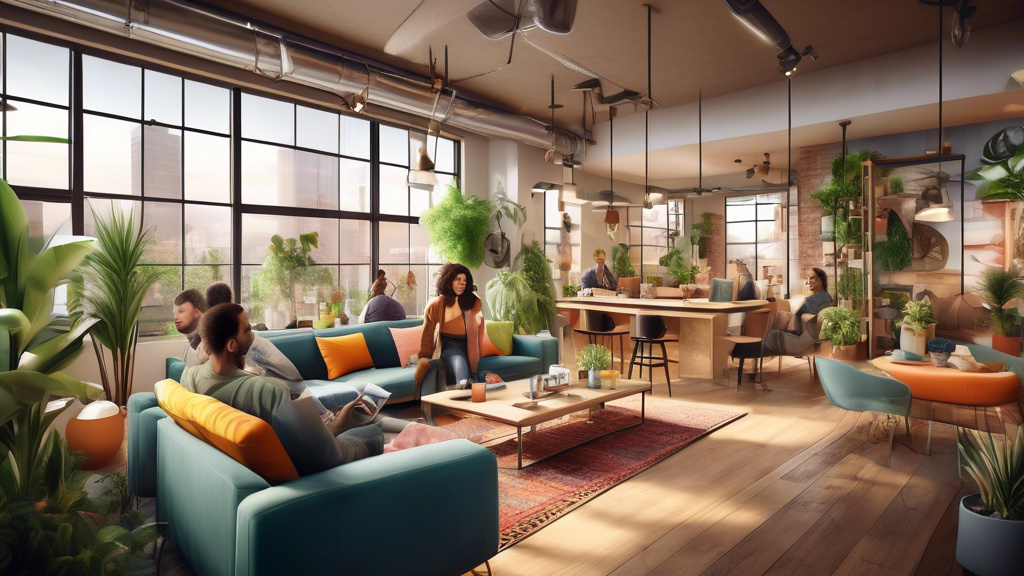
Imagine this: you’re sitting in a cozy, vibrant common room in Bali, sipping on freshly brewed coffee. Around you, there are folks from all corners of the globe—one’s a graphic designer from Berlin, another a software developer from San Francisco, and across the room, a travel blogger from Sydney is typing away on her laptop. This is the world of co-living, and it’s becoming insanely popular among digital nomads. But why?
Traveling the world solo can be liberating, but it can also get a bit lonely. Co-living offers this beautiful middle ground. You’ve got the freedom to roam but also a built-in network of like-minded individuals to share experiences with. Remember that time you moved to a new city and didn’t know a soul? Now imagine arriving in a new place where you instantly have a crew ready to explore local markets, hike scenic trails, or just grab a meal. It’s like a comfort blanket of camaraderie.
The cost factor is another biggie. Airbnb prices can be high, especially in popular spots. Hotels? Don’t even get me started. And then there’s the hassle of utilities, Wi-Fi, and those random, “Oh, you didn’t know you had to pay for that” charges. Co-living spaces often roll everything into one neat package. You pay your rent, and that’s it. It’s all-inclusive: Wi-Fi, utilities, sometimes even breakfast! For digital nomads hustling on a budget, that’s a dream.
Speaking of Wi-Fi, have you ever tried working from a cramped hostel room or a noisy café with spotty internet? It’s a nightmare! Co-living spaces prioritize fast, reliable internet. Many are designed with digital work in mind, featuring ergonomic workspaces, quiet zones, and even meeting rooms. It’s designed knowing that some of us live and die by our connectivity.
And don’t get me started on networking opportunities. Professional growth thrives in these hubs. When you’re surrounded by individuals from different professional backgrounds, the cross-pollination of ideas happens organically. You might be a writer who ends up collaborating with a videographer you met in the communal kitchen or a marketer who finds a web designer for that project you’ve been dreaming about. It’s like LinkedIn, but in real life, with organic coffee and ocean views.
One thing people often overlook is the mental well-being aspect. Constant travel can be taxing. Co-living offers a bit of stability—a base where you can recharge. There’s a feeling of belonging in these spaces. You have a routine, a bit of predictability amidst the chaos of travel. Plus, having people around who understand the digital nomad lifestyle provides an invaluable support network. They get the quirky challenges, like timezone juggling for client calls or the perpetual hunt for the next electric outlet.
Think about sustainability for a minute. Traditional housing can be resource-heavy. Co-living spaces, especially the newer, eco-friendly ones, often emphasize sustainable living. Shared resources mean less waste. Some even have community gardens or green energy solutions. It’s a win-win: you get the comforts of home while mother earth gets a bit of a break.
Now, all this sounds amazing, right? But, like anything, it’s not without its quirks. Privacy, for instance, can sometimes be a little tricky. You might need to make peace with the idea of shared bathrooms or rotating dish duties. And there’s always that one person who’s louder than everyone else or takes forever in the shower. But hey, that’s life. It’s all about trade-offs.
If you’ve ever imagined living abroad, exploring cultures, and working from some beachfront café, co-living might just be what you’re looking for. It’s like catching the best of both worlds. You get the exhilarating highs of travel with the steady companionship of a home.
So, what do you think? Can you see yourself in a vibrant space, surrounded by fellow nomads, working on your passion project? Maybe it’s time to give it a shot. Pack your bags, embrace the adventure, and who knows—it might just be the most rewarding decision you’ve ever made.